

Give it a try. The mode of transportation is the motor coach. But it’s really the feeling of community that makes it worth giving it a try. And I feel like there’s a lot of us and a lot of people over the years who have said, I will never do that. And then they do it once and they keep coming back.
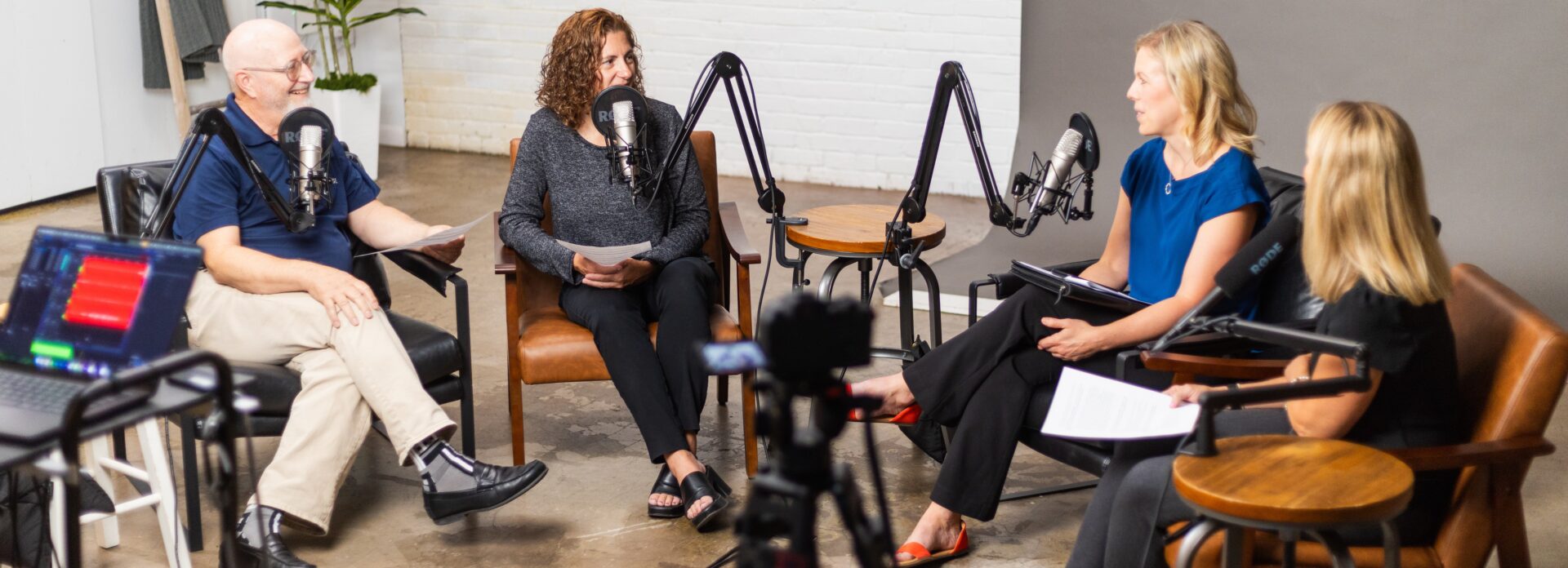
Hello, I’m Scott Miller, the chief marketing officer at Gardens Spot Communities, and I’m Juanita Fox, the storyteller. So, in this season of purpose and retirement, we’re going to be talking with people whose stories appeared in articles published in the fall 2026 issue of Destination Garden Spot Communities magazine. Today, we are excited to host Karen Bender, general manager, and Laura Bomberger, business and finance manager for Bob Neff Tours, a company with roots going back over 50 years.
They’re leading a new collaborative tour model that’s bringing residents from several Lancaster County retirement communities together on the road. So, Karen, how did the idea of pulling travelers across different retirement communities like Garden Village and others in Lancaster County? How did that come about? And was there like a specific trip or something that was canceled or sparked it? Like, how did that all happen?
There’s been a couple of things that went into play with that over the years at Bob Neff Tours. We have worked with retirement communities individually to prepare what we would call a custom tour. Basically, they’re telling us where they would like to go and trying to get 25 travelers or more to fill the bus.
We’ve canceled many of those tours because they couldn’t get enough to fill the bus. Then in 2025, we were at the Lancaster County Senior Games, and their expo area included a lot of other retirement communities. Laura and one of our tour planners went around to each of the retirement communities to introduce themselves and it evolved through those conversations and conversations that followed.
We saw that there was a need that we could help fill. Laura really reached out individually to the retirement community resident life directors. We met with each one individually, just to kind of see what their needs might be. And then the idea of the collaborative trips really came about from there.
So, Karen, what does the coordination look like behind the scenes? You’re working with three different communities, their resident life teams, and they’re all feeding names into the system. How does it work? Yep. Well, we did our first one just this spring. So it went well and we feel really good about that. Basically how we decided to do that is we use 56-passenger coaches for each trip and the three retirement communities have a set number of seats.
We worked together to decide where we were going to go first. Each of the communities gave recommendations, and we landed on Cape Cod for the spring and Niagara Falls for this fall tour that’s coming up. And then each community had 15 spots that they could fill in a certain time frame. So they were advertising through the communities using their typical means.
We provided fliers. We actually went out to each of the communities to do presentations to meet passengers and answer questions, etc. Then when we hit the deadline, we just actually had it the other day for the Niagara tour, they’re submitting the names from each of the communities to us at Bob Neff Tours.
That this is the group of people that want to go. So if one community only has eight, but another has 20 that would be interested, then we can we can work to do that. That’s how it has worked for the first two. It seemed to work pretty well.
And once those resident life coordinators hand off that rooming list to us, then we’re taking it from there. We do all the planning, and we’re reaching out to the residents directly and are taking it from there. So it also lightens the load for the resident life teams to let some of the logistics for us. They do so much at all the communities all of the time.
So it’s been fun to partner together with that. That’s really cool to see that need and meet it like that. So this question is for both of you and maybe Laura, I’ll let you start off on this one. So can you tell us about a little bit about your background and what drew you to Bob Neff Tours and, and working in this industry?
Yeah. So travel has always been a lifelong passion of mine. My family traveled a lot when I was younger. And so after college, I came back to Lancaster and got a position with a local ministry and was doing event planning for them. And out of that came an idea for some international trips with our donors. And so that was kind of my first step into tour planning and leading.
And I loved those trips. It was the highlight of every year. Both in planning memorable experiences for people, but even more so opening people’s eyes to the world and creating lifelong friendships through that, which is really fun. And so, as I concluded my time with that ministry was looking for opportunities to kind of continue that tour directing role.
And that led me to Bob Neff tours as a side job as a tour director, where I would lead tours 2 or 3 times a year. And then two years ago I joined the team in the business and finance manager role. And Karen, how about for you. I come from a career in occupational therapy. I’ve been practicing that for about 30 years and typically with older adults.
So that’s that part of my life. I also come from lots of years doing youth and missions ministry, where I was leading groups, planning trips and coordinating travel for those. And in a way only the Lord could do led me to meet and develop relationship with Bob and Cindy Neff and came on the team that way. It didn’t make sense at first but the longer I’ve been here, the more it has made sense that the Lord has been using both of those experiences and giftings to kind of pull it all together.
And we have seen that with our whole team over the past couple of years as we’ve been in transition, that the Lord just has led the right people to the team and to the table. It’s an incredible testimony.
Thank you. Laura, the article mentions long time travelers trust Bob Neff Tours’ itineraries. What does it take to earn that kind of loyalty over decades? And how do you keep it once you have it?
Yeah, I think at our core is remaining true to our faith component and to providing Christian fellowship tours so people can count on family friendly attractions, itineraries that they can trust, high quality hotels and restaurants. But really, at the core of it that we, our tour directors, will care for people, that they’ll integrate Christian faith through daily devotionals and morning prayers. And yeah, that we are for them. We want we want our guests to experience an incredible trip. And so we do everything we can to go above and beyond.
As a follow on to that, Laura. Bob Neff Tours grew out of a Christian fellowship, environment like we’re more than 50 years ago, I believe.
So what’s changed about group travel for people in the second half of life? And then what’s stayed pretty much the same?
Well, certainly there’s a lot that has changed in the technology realm of things. And I think in the confidence in individuals traveling and booking things on their own. But what hasn’t changed are the benefits of group travel and the shared experiences that people can enjoy when they’re gathering with others.
And of course, Bob Neff Tours takes care of all the logistics so people don’t have to worry about, you know, parking their car or driving. They can enjoy sitting in the motor coaches there and watching the scenery go by. So we take the logistics out of it, the headache out of it. So that has stayed the same, but certainly in how we plan trips has certainly changed in using technology as a tool in planning.
With Google Maps, we can quickly estimate how long it’s going to take from here to there. Whereas I think in the past, their stories of using a ruler to measure out how long it would take to go from point A to point B, and I think, Karen, you even have some stories about some of the airline travel.
Yeah, that’s changed. We have to work hard at airline travel, and we always have, but I think we were told to a story from, I think it was Bob senior, who had a group getting ready to leave, and one of the passengers forgot his ID and they were doing a fly trip, and they went to the airport anyway, and he was able to get that gentleman onto the flight and onto the trip.
That would never happen today.
That would absolutely not happen today, you know. But I think nothing has changed and yet everything has. We still need to plan those itineraries down to the minute, down to the all of the details of the restroom stops, the meals, the rest, the hotels, all of those things is just the ease of which we’re able to do it.
Karen, you and I talked about the mystery tours that Bob Neff Tours offers. It’s a tour where people agree to go and they have no idea where they’re going. How do you balance the surprise and also prepare people for what that destination might be like?
Our mystery tours are some of our most popular tours. We had a couple this year at our annual preview that signed up for both the spring and the fall one-day tours, and both the spring and the fall overnight tours. They love the mystery tours, the anticipation of not knowing where they’re going, but knowing and trusting that it’s going to be a quality tour, that they can trust. That and guessing where you are going is part of the fun. The anticipation builds. It’s fun to be on the coach, listening to people, trying to figure it out as you go.
And we’ve even had drivers that get into it and they can hear that the participants are understanding where they are going. I actually was on a coach that the driver took a turn that they weren’t expecting. And you heard this. Oh well I guess we’re not going there. And in the end, they were right. But we took the detour around to be able to just keep the surprise a little bit longer.
So it’s an adventure unto itself of not knowing where they’re going. As for the planning, we’re still planning the same kind of destinations with the same quality. We have to be, just a little bit more careful in how we are advertising the tour, making sure that folks know the walking requirements or the step requirements without giving the destination away, so that that can be tricky, just making sure it’s a suitable tour for people, but really keeping that surprise. It’s fun, they fill up.
Where are some of the places you’ve gone or will that mess up the mystery? We have done so many mystery tours that sometimes as planners it’s hard to keep planning them because we have done so many. I did a one day mystery tour, and we actually went to Gettysburg.
And we did all the pieces of Gettysburg that people don’t normally do. And what was really fun to hear on that trip was people said, I had a couple say to me, we picked these because you pick things that I would never pick on my own, and I am glad that I did it. So that’s really fun.
So whether we may have been to a certain region, but not doing some of the, you know, we haven’t done a museum before, we haven’t done a particular cooking class or those sorts of things, but really trying to keep it fresh. We say we try to not have done it in the last five years.
So Laura, let’s talk about some of the trips like the Greenbrier bunker, Oak Ridge trips like those, that are a little unusual for people in the second half of life. And like, how do you decide when to push travelers towards something that’s more offbeat versus a tried and true? You know, like Cape Cod or, you know, Dollywood, something like that that people would expect.
Yeah, our guests certainly enjoy variety so we try to mix things up a little bit and keep a balance of our tried and true itineraries that people love, but also think a little bit outside of the box. And so we’ve been trying some more themed tours recently, realizing that there’s some niche interests that might attract people. We also have a hugely loyal customer base, so we want to keep things fresh for them with new ideas. Actually something that we’re piloting here in two days is a small group adventure tours out to the Grand Tetons, Yellowstone and Glacier. So that is a new type of tour. Just recognizing that some people enjoy smaller groups and enjoy active tours. And so this is a toe in the water of something new that we could try.
So yeah, kind of that balance of staying true. But testing some new ideas.
Karen, what kind of accommodations or planning considerations come into play with organizing trips, especially for people in the second half of life?
We work really hard to understand what is available in the area of accommodations. You think of hotels are there grab bars or are there walk in showers? Are there raised toilet seats? Those sorts of things just in the hotel room? But for destinations, how many steps are required during the day? How many actual stairs might be required? Are there handrails? How close can the coach park to for drop off, all of those things we really need to know and and our guests need to know so that it can be a successful tour for them.
We also are really careful when we are speaking to guests on the phone or however they are doing. their registration is to ask if they have any mobility needs? Do we have any accommodations that we should be aware of? And we do our best to work through them to make that a a great tour for them. And sometimes it is that maybe that tour is not the best tour for them.
The perfect example would be the Grand Teton trip. If somebody had a mobility device that may not be a great fit for them, but then suggesting another tour that really would be. So I think those are all pieces of accommodation during that. And it can be physical or diet, those sorts of, you know, all of those things we take into careful consideration.
So that makes me think of something I’m just curious about, like, what are the age ranges that you’re dealing with and is it people who live in independent living or personal care? Like what areas of the community do the people who come to the tours span?
Typically right now, all of our folks have been from independent living in the retirement communities, and they really need to be independent or if some help would be needed that there is a friend or family member along with them to help, take care of those needs. And we’ve had both and it works really well.
So, Laura, what do you look for when hiring a tour director like Jeff Berger since so much of the family feeling on these trips seems to come down to the person who is leading them.
Yeah. The tour director really sets the tone for the tour and the guests so we really look for people who are able to connect well with people authentically and care for them on an individual level, as well as being able to manage all the details in the background. I often heard of the analogy of being a swan where you’re gracefully leading while paddling like crazy underneath. And so I think those qualities are what’s helpful for a tour director.
Karen, with Niagara Falls next on the calendar, what might be on your wish list for some new destinations or new communities to bring into this collaborative model?
I think one of the biggest things is to find out what’s on the wish lists of the residents for each of the communities that are part of the collaborative. We have great itineraries and tours and ideas and all of that, but we want to be going where residents from each of the partnering communities want to go. We’re in the process of getting ready to release a survey to the resident life teams of destinations that could be a possibility for 2027, but also giving time for them to listen to residents. We’ll pull all of those together and really try to find a good time and a good place and good destination that works for all of the communities participating. From other communities, we would love to have other communities partnering either in these tours or having multiple trips going throughout the year. I hope we’re just at the beginning of that.
So you’ve had one tour so far that has combined the communities as this collaborative project. Have you heard from the tour director as to how that went and how the communities may have connected with each other, or the people in the communities have connected with each other?
Yeah, we have. Jeff was able to share an album of pictures from the trip. And when looking at those, I think several pictures that stood out to me the most were that he took a picture of each of the individual retirement community groups in front of a windmill at one of their destinations, and then a picture of the whole group that was on the tour and that really highlighted what he had said. He said, by the end of the trip, you wouldn’t know that people were from three different communities. They had a shared experience and commonality in age and stage of life and just a lot of fun together on the trip.
So one of the things I’ve heard from people is I will never get on a bus. It’s just something I’m never going to do. So what would your encouragement be? What would you say to somebody who is resistant like that? Because we know that it turns out to be a wonderful experience, right? So what would you say?
I think group travel is a unique experience. The first time that I went on one of our Bob Neff trips, I was a staff at that point, but also a traveler. I wasn’t in charge. And the feeling of community and comaraderie surprised me, just blew me away, actually, and and really blessed me. And I feel like that’s why I would encourage someone to give it a try. The mode of transportation is the motor coach, but it’s really the feeling of community that is worth giving it a try.
And I feel like there’s a lot of us and a lot of people over the years that have said, I’ll never do that, and then they do it once and they keep coming back because the blessing of group travel and that shared experience and those moments together, combined with not having to do any of the work and letting somebody else do the driving and the planning and all of that, it’s as easy to pack your bag and go.
I think, too, with group travel, you’re going on a trip with people who have a joint interest and going to whatever destination you’ve selected, and you’re coming as individuals, and you can choose the level of engagement that you engage with the others on the trip. But what I find interesting as a tour director, watching it, you have individuals coming, but by the end you learn a little bit about their stories.
And oftentimes I think what the highlight of the trip is the people you’ve met along the way and learning more about their journeys. And the destination itself isn’t quite as important as what you thought it might be. We have individuals that came as individuals years ago to a tour, and now they travel together as a group.
We see their names repeatedly together on tours, so they are talking and even though they came as individuals, they left with a new community.
Before we close, is there anything else you’d like to share with our listeners?
Just thank you for the opportunity to be on here and share a little bit about our story. It’s a privilege to carry on the legacy of Bob Neff Tours. What was started as a man’s vision to take people to an event in New York City to praise Jesus has turned into a tour company where we can offer over 100 tours a year to destinations throughout Europe and North America to broaden people’s perspectives and hopefully, help them find the similarities between cultures that at the onset, may feel like there’s a lot of difference.
You know, when you were talking about that whole sense of community that not just fascinated me. So that’s the reason to come together for all of this.
You don’t hear that very often because there are so many people who said, I’ll never get on a bus. Right. And yet something wonderful happens in the end.
Having come from mission trip travel is what I’ve done. And you think of going to camp for a week and you come out a family. And I have almost became a junkie on that, you know, like just loved that feeling and that feeling of family.
And I was shocked and surprised at that I had the same feel at the end of a Bob Neff Tour, not expecting that at all. And that’s what motivates all of the time that we spend doing that, to be able to provide that, because people just need that connection in such powerful ways. And yeah, it’s unexpected. So it is about community in a just a real way that’s surprising.
Thank you for joining us today. Thank you so much. If you would like to read the article about Bob Neff tours that appeared in the fall 2026 issue of Destination Garden Spa Communities, click the link in the show notes.
Thank you for listening to Purpose and Retirement. Our host is Scott Miller. Our co-host is Juanita Fox and our audio engineer and producer is Austin Gingerich.
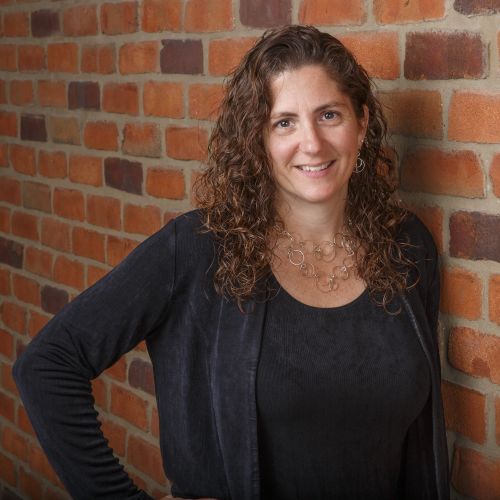
Juanita Fox, director of media experiences and storytelling for Garden Spot Communities, brings a wealth of marketing and storytelling experience. She is the managing editor for Destination Magazine as well as the co-host for Garden Spot’s Purpose in Retirement Podcast.